
Koi Information
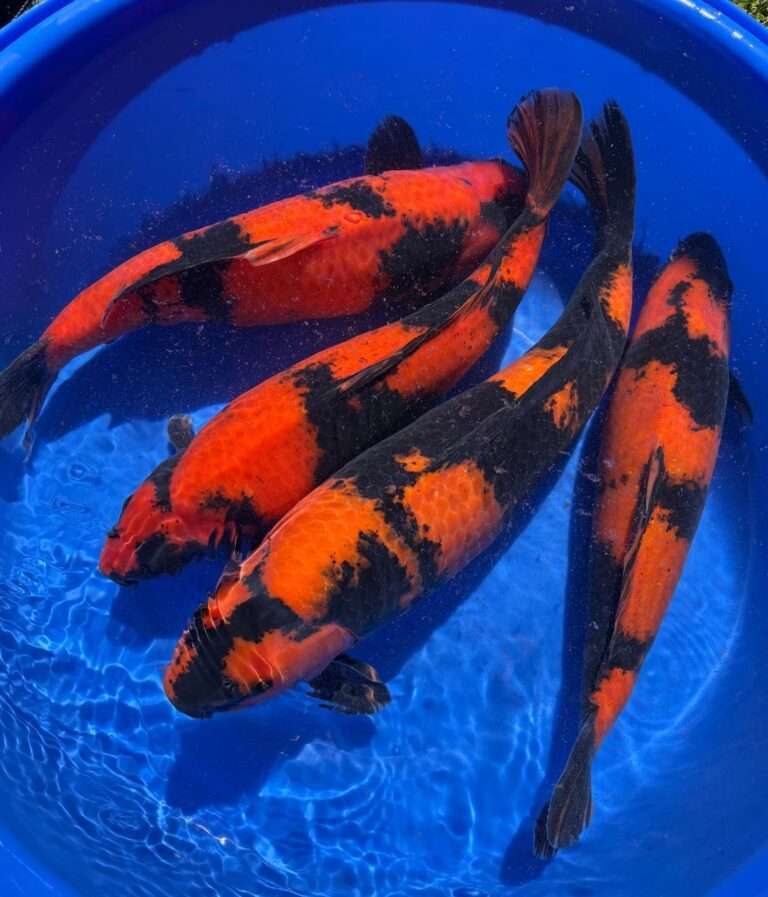
Explore the stunning varieties, such as Kohaku, Taisho Sanke, Showa Sanshoku, and more, each showcasing their unique colors and patterns. Learn about their history, breeding, and the symbolism behind different koi types.
Discover expert tips on koi care, including feeding, water conditions, disease prevention, and creating an ideal habitat. Whether you’re a seasoned koi enthusiast or a beginner looking to delve into the world of koi, our website is your go-to destination for all things koi-related. Dive in and immerse yourself in the beauty and elegance of these magnificent fish.
Koi Species
Here are five facts about koi fish:
-
Historical Breeding: Koi fish breeding began in the 19th century when Japanese rice farmers started cultivating them for their vibrant colors.
-
Symbolic Meanings: Different koi color variations hold specific meanings. For instance, the Ogon koi, with its shimmering silver scales, is considered a symbol of wealth and success in business.
-
Ancestry and Interbreeding: Both koi and goldfish share a common ancestor, the carp. While koi have a faster growth rate than goldfish, the two species can interbreed. However, their offspring is sterile.
-
Exceptional Longevity: The renowned koi named Hanako holds the record as the longest-lived individual. Hanako lived for 226 years and her age was determined by the rings on her scales, similar to tree rings indicating growth rate.
-
Water Requirements: Koi thrive in cool water conditions with a pH level ranging from 7.0 to 8.5. Extreme pH levels, below 7.0 or above 8.5, can be harmful to koi and may lead to illness or death.
Here is a breakdown of various types of koi fish:
-
Kohaku: The first specifically bred koi variety, characterized by a solid white base and bright red blotches known as “hi.”
-
Taisho Sanke: Similar to Kohaku, but with the addition of small black speckles alongside the white base and large red spots.
-
Showa Sanshoku: Born solid black and later develop large white and red spots.
-
Bekko: Solid red, white, or golden koi with scattered black spots along their back.
-
Hikari-mujimono: Solid-colored, shiny, metallic koi with no other markings.
-
Utsuri Mono: Koi with a solid base color and deep, black spots with sharp edges.
-
Asagi: Challenging to breed, they have subdued colors and symmetrical, metallic-blue accent scales.
-
Shusui: Scaleless koi with similar coloration to the Asagi variety.
-
Koromo: A combination of Asagi and Kohaku, displaying silver-blue accents and the classic Kohaku pattern.
-
Hikari Utsuri: Shiny, metallic koi with deep, dark splotches and crisp edges.
-
Hikari-moyo: Shiny koi with patterns that don’t fit into the criteria for other Hikari koi types.
-
Tancho: Popular but difficult to breed, featuring a prominent red circle on the head resembling Japan’s flag.
-
Kin-gin-rin: Koi with brilliant, sparkling scales that shimmer in the sunlight.
-
Doitsu: Koi with unique patterns and elegantly ordered scales.
-
Goshiki: Resembling Kohaku, but with metallic silver or black scales instead of solid white.
-
Kawarimono: All koi varieties not belonging to the aforementioned categories fall under this category.
These various types of koi fish exhibit distinct characteristics, patterns, and colorations, adding diversity and beauty to koi collections.
Kohaku Koi, often referred to as the “most classic” and “beloved” variety of Japanese Koi, is known for its simple yet striking beauty. It is characterized by its white base color with bold red (hi) markings on the body. The name “Kohaku” translates to “red and white” in Japanese, perfectly capturing the essence of this variety.
Appearance: The white base color of Kohaku Koi is considered the canvas on which the vibrant red patterns are showcased. The ideal Kohaku displays clean, pure white skin without blemishes or discoloration. The red markings, referred to as hi, are expected to be bold, evenly distributed, and vibrant. The patterns can vary in shape and size, ranging from large, solid patches to smaller, more intricate patterns.
Variations: Within the Kohaku variety, there are different classifications based on the distribution and quality of the red markings. The three primary classifications are:
-
Nidan Kohaku: This type of Kohaku has two large red patches on its body, typically one on the head and another on the posterior region.
-
Sandan Kohaku: Sandan Kohaku features three large red patches, with an additional patch on the posterior region in addition to the head and body patches.
-
Yondan Kohaku: Yondan Kohaku showcases four distinct red patches, including the head, body, and two on the posterior region.
It’s important to note that a high-quality Kohaku Koi will exhibit sharp, well-defined edges between the white and red areas, creating a visually striking contrast.
Appreciation and Symbolism: Kohaku Koi hold a special place in the hearts of Koi enthusiasts due to their timeless beauty and simplicity. The contrast between the pure white and vibrant red is visually captivating, making them a popular choice for hobbyists and collectors alike.
In Japanese culture, Koi fish, including Kohaku, are highly regarded as symbols of good fortune, perseverance, and success. Their striking colors and patterns are believed to bring positive energy and prosperity.
Whether you’re a seasoned Koi enthusiast or new to the world of Koi keeping, the Kohaku variety is sure to captivate you with its elegance, clean lines, and vibrant red and white coloration.
Japanese Sanke Koi, often referred to simply as “Sanke,” is a highly admired and popular variety of Japanese Koi fish. Recognized for its captivating tri-color pattern consisting of white, red, and black markings, Sanke Koi exemplify grace and beauty.
Appearance: Sanke Koi have a solid white base color, which serves as the canvas for the red (hi) and black (sumi) markings. The red patches are typically distributed symmetrically on the body, while the black markings add depth and contrast to the overall pattern. The ideal Sanke showcases a vibrant, rich red coloration with crisp edges and a pure white background. The sumi, or black, should be well-balanced and enhance the overall aesthetic appeal of the fish.
Pattern Variations: Sanke Koi come in various pattern variations, each with its own unique arrangement of red and black markings. Some common Sanke patterns include:
-
Maruten Sanke: This pattern features a single, distinctive red spot on the head, in addition to the red and black markings on the body.
-
Tancho Sanke: The Tancho variation of Sanke displays a single, perfectly circular red spot on the head, resembling the Japanese flag. The rest of the body retains the typical Sanke tri-color pattern.
-
Nidan Sanke: Nidan Sanke showcases two prominent red patches on the body, along with the black markings, while maintaining the white base color.
-
Sandan Sanke: Sandan Sanke displays three distinct red patches on the body, along with the characteristic black markings, on a white base.
Appreciation and Symbolism: Sanke Koi are highly prized for their striking coloration and balanced pattern. The combination of red, white, and black is visually captivating and signifies harmony in the world of Koi appreciation.
In Japanese culture, Koi fish are revered as symbols of good fortune, perseverance, and strength. Sanke, with its eye-catching tri-color pattern, is considered a symbol of success and prosperity. These fish are often showcased in Koi shows and competitions, where their beauty and quality are meticulously evaluated.
Whether you are a dedicated Koi enthusiast or simply appreciate the elegance of these magnificent fish, Japanese Sanke Koi are sure to impress with their harmonious colors and captivating patterns.
Japanese Showa Koi, commonly known as “Showa,” is a captivating and highly esteemed variety of Japanese Koi fish. Showa Koi are renowned for their distinct black, red, and white coloration, creating a striking and dramatic appearance.
Appearance: Showa Koi have a base color of deep black, which serves as the dominant color in their pattern. The black areas are adorned with vibrant red (hi) markings, which can vary in intensity and size. Showa Koi also feature patches of white (shiroji), which provide contrast and balance to the overall pattern. The ideal Showa showcases well-defined and balanced black, red, and white areas, creating a visually dynamic and harmonious composition.
Pattern Variations: There are several pattern variations within the Showa variety, each displaying unique arrangements of black, red, and white markings. Some common Showa patterns include:
-
Kindai Showa: Kindai Showa is characterized by a clean, crisp black pattern with distinct red and white markings. The black areas typically cover the majority of the body, with bold red and white patches on the head and body.
-
Gin Rin Showa: Gin Rin Showa exhibits a metallic scale effect (gin rin) on the black, red, and white areas, adding shimmer and sparkle to the overall appearance. This variation enhances the visual appeal of the fish under certain lighting conditions.
-
Hi Showa: Hi Showa, also known as “Tancho Showa,” features a single, prominent red spot on the head known as “tancho.” The rest of the body showcases the typical black and white pattern, with the red spot acting as the focal point.
Appreciation and Symbolism: Showa Koi are highly regarded for their bold and dynamic coloration, creating a captivating presence in any Koi collection. The combination of black, red, and white is visually striking and represents strength, power, and resilience.
In Japanese culture, Koi fish are considered symbols of good luck, prosperity, and determination. Showa, with its impressive and contrasting colors, is often associated with overcoming obstacles and achieving success. These fish are commonly showcased in Koi shows and competitions, where their pattern, balance, and overall beauty are meticulously evaluated.
Whether you are a passionate Koi enthusiast or simply admire the beauty of these magnificent fish, Japanese Showa Koi are sure to captivate with their dramatic coloration and bold presence.
Koi Care
Koi Care involves several important aspects, including feeding, managing water conditions, preventing diseases, and providing appropriate lighting. Here’s a detailed overview of each area:
Feeding:
- Quality Food: Feed your Koi a high-quality, nutritionally balanced food specifically formulated for Koi. Pellets or sticks are commonly used.
- Feeding Schedule: Feed your Koi small, frequent meals rather than large amounts at once. Offer food 2-3 times a day, but adjust the quantity based on the water temperature and the appetite of your fish.
- Seasonal Adjustments: Adjust the diet based on the temperature. In colder months, switch to easily digestible food with lower protein content.
- Avoid Overfeeding: Overfeeding can lead to water quality issues and obesity. Feed only what your Koi can consume within a few minutes.
- Water Quality: Maintain good water quality by regularly testing parameters such as pH, ammonia, nitrite, and nitrate levels. Perform partial water changes to remove pollutants.
- Filtration: Install a reliable filtration system that provides mechanical, biological, and chemical filtration to remove debris, waste, and toxins from the water.
- Oxygenation: Ensure proper oxygenation through the use of aeration devices like air stones or waterfalls.
- Temperature: Koi thrive in a temperature range of 59-77°F (15-25°C). Sudden temperature fluctuations should be avoided, as they can stress the fish.
- Water Circulation: Promote water movement to prevent stagnant areas and maintain a healthy environment for the Koi.
- Quarantine: Quarantine newly acquired Koi before introducing them to the main pond to prevent the spread of diseases.
- Observation: Regularly inspect your Koi for any signs of illness, such as changes in behavior, loss of appetite, abnormal swimming patterns, or visible abnormalities.
- Water Parameters: Maintain optimal water conditions to reduce stress and improve the Koi’s immune system.
- Balanced Diet: Provide a balanced and nutritious diet to support the overall health of your Koi.
Some great websites to visit: https://totallykoi.com/a-guide-to-koi-pond-care-for-beginners/ “or” https://www.fishkeepingworld.com/koi-fish/ “or” https://pondheaven.com/a-complete-guide-to-maintaining-a-koi-pond/